
Understanding P-Type vs. N-Type Solar Panels for Performance
Solar Panel Prices in PakistanSolar panels are one of the fastest‑growing technologies for clean energy around the world. But not all solar panels are made the same. Two of the most common types you’ll hear about are P‑Type and N‑Type solar panels. Understanding the difference can help you choose the best option for your home or business — especially in places with hot climates like Pakistan.
This guide explains the differences in a simple, friendly way so you can decide what’s right for you.
What Is a P‑Type Solar Panel
P‑Type panels use boron‑doped silicon to create a positive charge in the cell. They are the traditional and most widely used solar panel type.
Key characteristics:
Good for:
Budget‑friendly systems and regular solar installations where cost is a priority.
What Is an N‑Type Solar Panel
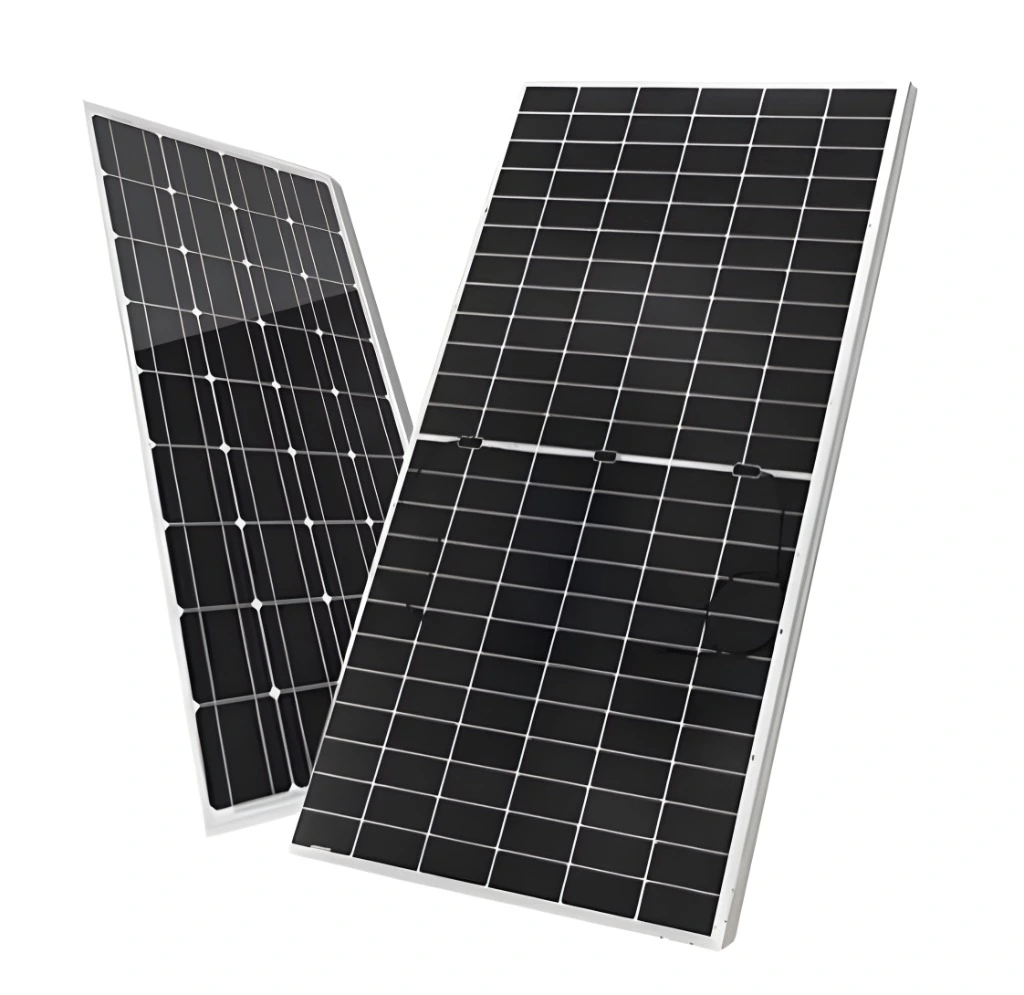
N‑Type panels use phosphorus‑doped silicon, giving a negative charge in the cell. They are more modern and typically offer better performance compared to P‑Type.
Key characteristics:
Good for:
Systems where higher efficiency, longer lifespan, and heat resistance matter.
Head‑to‑Head Comparison
| Feature | P‑Type Solar Panels | N‑Type Solar Panels |
| Silicon Type | Boron‑doped | Phosphorus‑doped |
| Charge carrier | Positive (holes) | Negative (electrons) |
| Typical Efficiency | Good | Better |
| Heat Performance | Standard | Better in hot conditions |
| Degradation Rate | Higher (more loss over time) | Lower (more stable performance) |
| Cost | Lower | Higher |
| Best for | Budget installs | Long‑term, high‑performance systems |
Efficiency
P‑Type panels have good efficiency and work well for many installations.
N‑Type panels generally have higher efficiency, meaning they convert more sunlight into usable electricity. This is especially helpful where roof space is limited.
Simple takeaway:
More efficiency = more power from the same space.
Performance in Heat
Solar panels lose efficiency as temperature increases.
P‑Type panels lose more performance in higher heat.
N‑Type panels resist heat better, so they perform stronger in hot climates.
Since Pakistan experiences long,
3. Degradation (Power Loss Over Time)
All solar panels lose some efficiency over the years.
P‑Type technology can lose efficiency faster due to phenomena like light‑induced degradation (LID).
N‑Type panels have lower degradation, meaning they still generate strong power even after years of use.
Simple example:
4.cost
P‑Type panels are typically cheaper, making them attractive for budget systems.
N‑Type panels cost more upfront because of advanced technology and better performance.
Important:
Even though N‑Type panels are more expensive initially, they can save you more money over time because they produce more energy and degrade slower.
Which One Should You Choose
Choose P‑Type If:
Choose N‑Type If:
Which Type Is More Popular in Pakistan
Both types are used in Pakistan, but:
Installation Tip
When installing solar panels:
These steps help both Understanding P-Type vs. N-Type Solar Panels perform at their best.
My Recommendation (Short & Simple)
(FAQs)
conclusion
Choosing between P‑Type and N‑Type solar panels depends on your budget and energy needs.
P‑Type panels are affordable, reliable, and ideal for smaller systems or budget-conscious installations.
N‑Type panels offer higher efficiency, longer lifespan, and better heat performance, making them perfect for larger systems and those looking for long-term savings.
Both types are great choices, but N‑Type panels are better for those wanting higher performance and longer durability. Choose based on your budget, climate, and energy goals.