
What Is the NEPRA Solar Buyback Rate? Latest Solar Net Meter
The NEPRA solar buyback rate is the Solar Panel Prices per unit that the National Electric Power Regulatory Authority (NEPRA) allows power distribution companies to pay solar owners for excess electricity exported back to the grid. It is part of Pakistan’s solar net metering / net billing policy, which determines how rooftop solar users are compensated for surplus power they generate.
Major 2026 Policy Change: Net Metering → Net Billing

In early 2026, NEPRA introduced the Prosumer Regulations 2026, which replaced the traditional one-to-one net metering system with a net billing framework.
Under net billing:
Latest Solar Buyback Rates in Pakistan (2026)
For new solar consumers:
Exported electricity (solar units sent to grid) is compensated at approximately Rs. 8–11 per unit.
For existing solar customers:
They continue to receive around Rs. 25–27 per unit for exported solar power until their original contract expires.
Important point:
The old one unit exported = one unit credit model has been replaced. Exported electricity is now only paid at the buyback rate, while imported electricity is charged at full retail rates.
How the New Buyback Rate Compares
| Category | Buyback / Export Rate (PKR per kWh) | Comments |
| Existing solar users (old net metering agreements) | 25–27 | Protected until contract end |
| New solar users (net billing) | 8–11 | Lower compensation for exports |
| Grid electricity import tariff | 40–60+ | Typical consumer retail rate |
Under this structure, exporting surplus power earns much less than what you pay for electricity from the grid — making self-consumption and energy storage more valuable than exporting under the new rules.
Why This Matters for Solar ROI
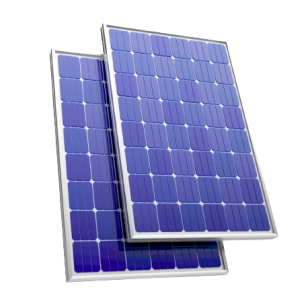
Under the old net metering system, exporting surplus energy could offset imports directly and significantly reduce bills. With the new net billing system:
It is the price per unit that electricity companies pay solar owners for surplus electricity they export to the grid. It is part of Pakistan’s net billing and net metering system. Programs such as the CM Punjab Solar Panel Scheme have also increased awareness and adoption of solar energy solutions among consumers in Pakistan.
What is the difference between net metering and net billing?
What is the current buyback rate for exported solar energy in Pakistan (2026)?
Who can benefit from the NEPRA solar buyback program?
Rooftop solar system owners who are registered under their local DISCO’s net metering or net billing scheme.
Can I still get one-to-one credits for exported electricity?
No. With the 2026 net billing policy, one-to-one offsets are no longer allowed. Exported units are now paid at the buyback rate.
How does the new buyback rate affect my electricity bill?
Are existing solar users affected by the new net billing rules?
Existing users with valid net metering contracts keep their old rates (~Rs. 25–27 per unit) until the contract expires.
Can commercial solar systems participate in net billing?

Yes. Any prosumer (residential or commercial) with a properly registered system can sell excess electricity under the buyback rate.
Should I size my solar system differently because of net billing?
Yes. Focus on maximizing self-consumption rather than exporting energy, which may involve adding storage batteries or adjusting system size.
How can I apply for NEPRA’s net billing or buyback program?
ergy for self-consumption or storing it in batteries rather than sending it to the grid.
FAQs
Conclusion
The NEPRA Solar Buyback Rate plays a major role in Pakistan’s solar energy landscape by influencing how much solar users can earn through net metering. Understanding the latest rates, policy changes, and eligibility requirements helps consumers make informed decisions before investing in solar systems. As solar adoption continues to grow, staying updated on NEPRA regulations can help maximize both savings and long-term benefits.