
Net Metering in Pakistan: Step by step Guide, Process, Costs
Solar Panel Prices Net metering in Pakistan allows households and businesses with solar or renewable energy systems to connect to the electricity grid and get credited for the surplus energy they generate. This system helps reduce electricity bills, encourage renewable energy adoption, and support sustainable power generation.
What Is Net Metering?
Net metering is a billing mechanism where electricity produced by a rooftop solar or renewable system is fed into the grid. With Best Solar Energy Solutions, consumers can install high-quality solar systems so that for every unit of electricity exported, they receive credit that offsets electricity consumption from the grid.

Key Benefits of Net Metering
Excess solar power reduces monthly grid electricity charges.
Solar users rely less on the grid, especially during load shedding.
Solar reduces carbon emissions.
Properly sized systems can pay back their cost in 4–6 years depending on consumption.
Certain DISCOs offer net metering at regulated rates.
Net Metering Process in Pakistan (2026)
Must have a domestic or commercial electricity connection in your name. Maximum system size: Usually 1 MW for commercial and up to 10 kW for households, but vary by DISCO. Must meet technical requirements for rooftop installation.
Submit the application form with your CNIC, electricity bill, and proposed system details.
Attach technical drawings and system specifications prepared by a certified installer.
DISCO verifies documents and conducts site inspection to confirm suitability and safety.
After inspection, the DISCO approves your net metering application.
A bi-directional meter is installed to measure energy imported and exported.
Certified technicians install solar panels, inverter, and wiring.
The system is connected to the grid and tested for proper functioning.
Your monthly electricity bill reflects net consumption: imported units minus exported units. Excess energy may be credited or purchased at the NEPRA-approved buyback rate.
Costs of Net Metering in Pakistan
| Component | Approximate Cost (PKR) | Notes |
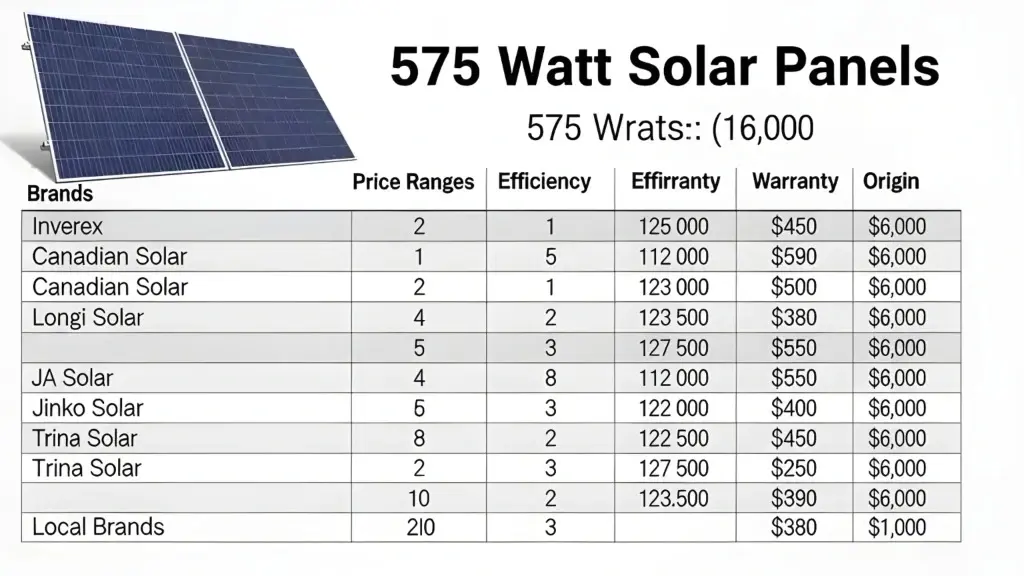
| Solar Panels (5 kW system) | 700,000 – 1,000,000 | Depends on brand and efficiency |
| Inverter (5 kW) | 150,000 – 250,000 | Pure sine wave recommended |
| Batteries (optional) | 250,000 – 500,000 | For off-grid backup |
| Bi-directional meter | 20,000 – 35,000 | Usually provided/installed by DISCO |
| Installation & wiring | 50,000 – 100,000 | Certified installer recommended |
Typical 5 kW system can cost PKR 1.2 – 2 million, with payback period around 4–6 years depending on self-consumption and solar efficiency.
Important Notes
FAQs
Conclusion
Net metering in Pakistan offers a practical and cost-effective solution for both households and businesses looking to reduce electricity bills while promoting renewable energy. By allowing consumers to generate their own electricity through solar panels and feed excess energy back into the national grid, net metering not only ensures energy savings but also contributes to environmental sustainability.
The process is straightforward, involving application to the local DISCO, installation of a certified solar system, and connection through a bi-directional meter. While initial costs can vary depending on system size and quality, the long-term benefits—financial savings, energy independence, and contribution to a greener Pakistan—make it a worthwhile investment.
As the country continues to modernize its energy infrastructure, net metering stands out as a key step toward a more sustainable and energy-efficient future.