Best Solar Energy Solutions for Pakistan(Hybrid & Grid‑Tied)
Solar Panel Prices has become one of the most sensible energy solutions for Pakistani homeowners due to rising electricity costs, frequent load shedding, and a growing focus on renewable energy. Choosing the right solar system — whether grid‑tied, hybrid, or off‑grid — depends on your budget, electricity needs, and long‑term goals.
Types of Solar Energy Systems for Homes
Grid‑Tied Solar System
A grid‑tied system is connected to the national grid and your utility meter. It generates solar power and supplies it directly to your home.
How it works:
Pros:
CONS
Hybrid Solar System
A hybrid system is like a grid‑tied setup with battery storage. It combines solar power, battery backup, and grid connection for maximum flexibility.
How it works:
PROS
CONS
Off‑Grid Solar System
An off‑grid system is completely independent of the utility grid and uses batteries to supply all your power.
PROS
CONS
Choosing the Best System for Your Home
Here’s how to decide what’s best for you:
If you have regular grid power but want savings:
Grid‑tied solar is usually the best choice.
If your area has frequent load shedding:
A hybrid system with battery backup offers consistent power.
If you have no grid access:
An off‑grid system is a reliable alternative.
Key Components of a Solar System
| Component | Purpose |
| Solar Panels | Convert sunlight into electricity |
| Inverter | Converts solar DC power to usable AC power |
| Battery Bank | Stores excess power (for hybrid/off‑grid) |
| Mounting Structure | Holds panels on your roof |
| Bi‑directional Meter | Required for net metering |
| Charge Controller / Solar Regulator | Protects batteries and boosts efficiency |
Estimated Costs (2026)
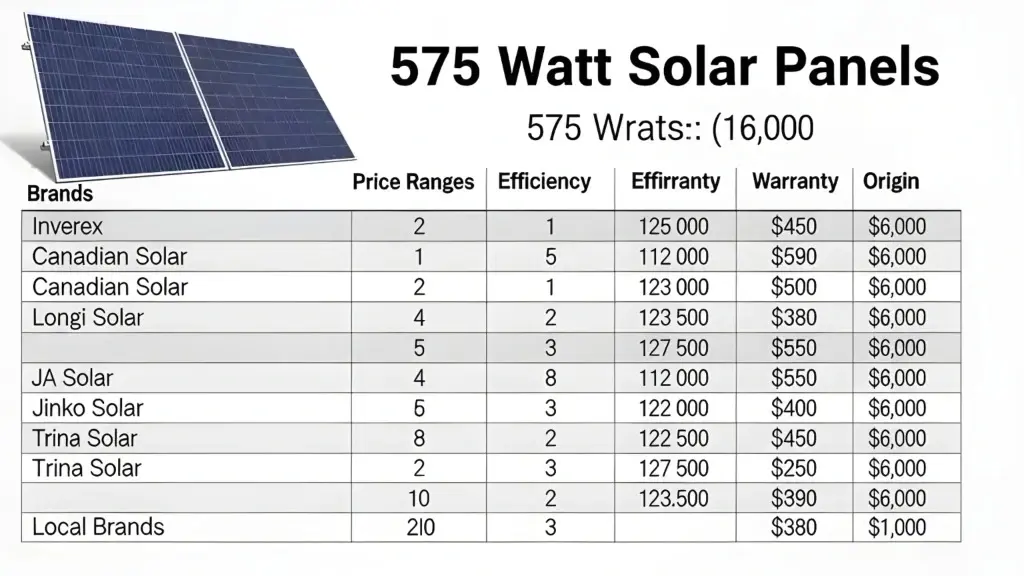
Note: Prices vary by brand, quality, installation, and region.
| System Type | Typical Cost Range (PKR) |
| Grid‑Tied (5 kW) | 1,200,000 – 1,800,000 |
| Hybrid (5 kW + Batteries) | 1,800,000 – 2,800,000 |
| Off‑Grid (5 kW + Large Battery Bank) | 2,500,000 – 3,800,000 |
Batteries: Lead‑Acid vs Lithium
| Feature | Lead‑Acid | Lithium |
| Cost | Lower | Higher |
| Lifespan | ~3–5 years | ~10+ years |
| Efficiency | Lower | Higher |
| Maintenance | Needs regular checks | Minimal |
| Depth of Discharge | ~50% | ~80–90% |
Bottom Line: Lithium batteries cost more upfront but last longer and perform better. Lead‑acid is cheaper but requires more upkeep.
Expected Savings
Solar savings depend on:
A typical 5 kW grid‑tied system can offset 50% or more of your annual electricity bill if you maximize daytime solar use.
Installation Checklist
Make sure your installation includes:
Important Considerations for Pakistan
Solar Irradiance
Pakistan receives strong sunlight year round. Good panel placement yields high energy production.
Roof Space
Ensure your rooftop has enough shade‑free space facing south or southwest.
DISCO Rules
Check local utility rules for net metering or export buyback rates. These policies affect your savings.
Load Shedding
In areas with frequent outages, hybrid systems provide the best balance of savings and reliability.
FAQs
Final Words
Choose panels with a 25‑year performance warranty
Prefer inverters with 5–10 year warranty
Get a detailed energy audit before estimating system size
Optimize for daytime usage to maximize savings
Compare battery types before purchase