Best Solar Energy Solutions for Hybrid & Grid‑Tied Systems
Solar Panel Prices in Pakistan Solar power has become one of the most sensible energy solutions for Pakistani homeowners due to rising electricity costs, frequent load shedding, and a growing focus on renewable energy. Choosing the right solar system — whether grid‑tied, hybrid, or off‑grid — depends on your budget, electricity needs, and long‑term goals.
Types of Solar Energy Systems for Homes
Best Solar Energy Solutions for Hybrid & Grid‑Tied Systems As electricity prices continue to rise and homeowners seek reliable energy solutions, solar power has become one of the most cost-effective investments. Understanding the different types of solar energy systems can help you choose the best option based on your budget, energy consumption, and backup requirements.
1. Grid-Tied Solar System
What is a Grid-Tied Solar System?
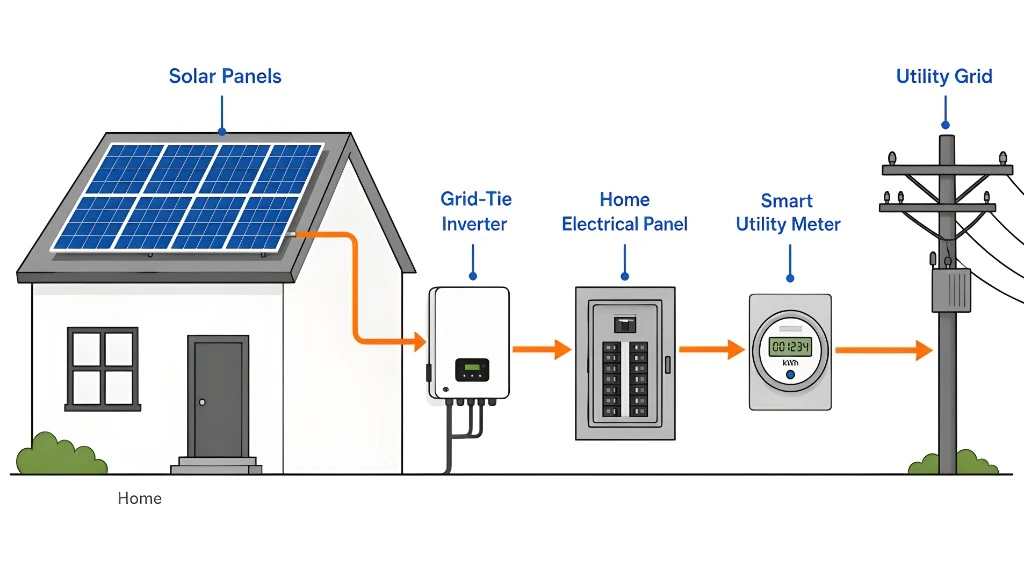
A Grid-Tied Solar System is connected directly to the utility grid and operates without battery storage. During the day, solar panels generate electricity to power your home, while any excess energy can be exported to the grid through the net billing system. When solar production is insufficient, electricity is automatically imported from the utility company.
Benefits of a Grid-Tied Solar System
Lowest installation cost among all solar systems.
No battery maintenance or replacement expenses.
Reduces monthly electricity bills significantly.
High return on investment due to lower upfront costs.
Ideal for areas with reliable grid electricity.
Ideal Homes for Grid-Tied Solar Systems
Grid-tied systems are best suited for homeowners who experience minimal power outages and want to maximize savings while minimizing installation costs.
Hybrid Solar System
What is a Hybrid Solar System?
A Hybrid Solar System combines solar panels, battery storage, and grid connectivity. It allows homeowners to store excess solar energy in batteries for later use while remaining connected to the utility grid. This setup provides backup power during outages and helps reduce dependence on the grid.
Advantages of Hybrid Solar Systems
Provides uninterrupted power during load shedding and blackouts.
Stores excess solar energy for nighttime use.
Reduces electricity bills while offering energy security.
Offers flexibility between self-consumption and grid usage.
Increases energy independence.
Battery Backup and Energy Independence
One of the biggest advantages of a hybrid system is battery backup. Homeowners can continue using essential appliances such as fans, lights, refrigerators, and internet devices even during power outages. Modern lithium batteries offer long life, high efficiency, and low maintenance.
Best Use Cases for Hybrid Solar Systems
Hybrid systems are ideal for homes that experience frequent load shedding, require backup power, or want greater protection from rising electricity costs.
3. Off-Grid Solar System
What is an Off-Grid Solar System?
An Off-Grid Solar System operates completely independently of the utility grid. It relies entirely on solar panels and battery storage to generate and store electricity for daily use. These systems are designed for remote locations where utility connections are unavailable or unreliable.
Key Components of an Off-Grid Solar System
Solar Panels
Off-Grid Inverter
Battery Bank
Charge Controller
Mounting Structure
Electrical Protection Equipment
Benefits of Living Off the Grid
Complete energy independence.
No monthly electricity bills.
Suitable for remote and rural locations.
Protection from utility price increases.
Environmentally friendly energy production.
Is an Off-Grid Solar System Right for You?
Off-grid systems are best for homeowners in areas without reliable grid access or those seeking complete independence from utility providers. However, they generally require larger battery banks and higher upfront investments.
4. Comparison of Solar Energy Systems
Grid-Tied vs Hybrid Solar System
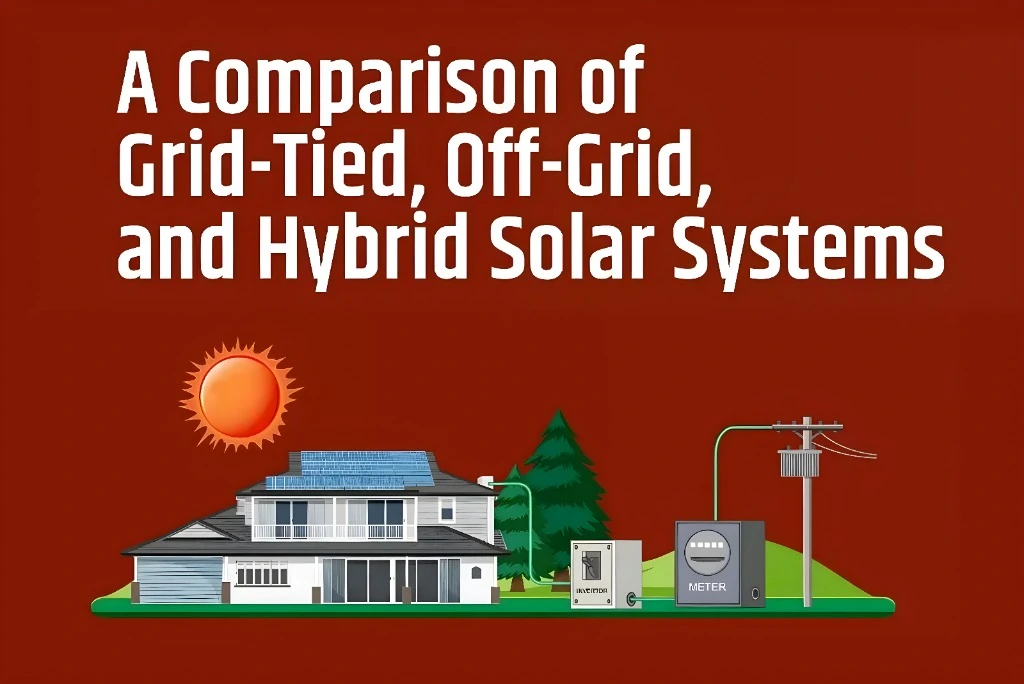
Grid-tied systems focus on reducing electricity bills and offer the lowest installation costs. Hybrid systems provide both savings and backup power through battery storage, making them more suitable for areas affected by load shedding.
Hybrid vs Off-Grid Solar System
Hybrid systems maintain a connection to the utility grid while offering battery backup. Off-grid systems operate entirely independently and require larger battery storage capacities to meet energy demands.
Which Solar System Offers the Best ROI?
Grid-tied systems often provide the fastest return on investment due to lower costs. Hybrid systems offer a balance between savings and reliability, while off-grid systems prioritize energy independence over rapid payback.
5. Factors to Consider Before Choosing a Solar System
Electricity Consumption
Analyze your monthly electricity usage to determine the appropriate system size.
Budget and Installation Cost
Consider both initial installation costs and long-term savings.
Backup Power Requirements
Homes experiencing frequent outages may benefit from hybrid or off-grid systems.
Roof Space Availability
Ensure sufficient roof area is available for solar panel installation.
6. Solar System Costs in Pakistan
Grid-Tied Solar System Cost
Typically ranges between PKR 100,000 and 140,000 per kW installed.
Hybrid Solar System Cost
Generally ranges from PKR 130,000 to 170,000 per kW without batteries and can reach PKR 200,000 to 300,000 per kW when lithium battery storage is included.
Off-Grid Solar System Cost
Costs vary based on battery capacity and energy requirements but are usually the highest among residential solar solutions.
7. Benefits of Installing a Home Solar Energy System
Lower Electricity Bills
Solar energy can significantly reduce monthly utility expenses.
Energy Independence
Generate your own electricity and reduce reliance on utility providers.
Environmental Benefits
Solar power produces clean, renewable energy with no harmful emissions.
Increased Property Value
Homes with solar systems often attract higher resale values.
8. How to Choose the Best Solar Energy System for Your Home
The right solar system depends on your electricity usage, budget, backup requirements, and local utility policies. Homeowners seeking maximum savings often choose grid-tied systems, while those requiring backup power prefer hybrid systems. Off-grid solutions are ideal for remote locations and complete energy independence.
Hybrid Solar System
A hybrid system is like a grid‑tied setup with battery storage. It combines solar power, battery backup, and grid connection for maximum flexibility.
How it works:
Solar powers your home first.
Excess energy charges your batteries.
Any energy shortfall is drawn from the grid.
Batteries supply power during outages or peak demand.
Best for: Homeowners who want uninterrupted power and lower grid dependence.
Pros:
Works during load shedding.
Maximizes self‑consumption and savings.
Batteries can store energy for night use.
Cons:
Higher upfront cost due to batteries and more complex hardware.
Battery maintenance/replacement is an added cost.
Off‑Grid Solar System
An off‑grid system is completely independent of the utility grid and uses batteries to supply all your power.
Best for: Remote homes, farms, or places with no reliable grid.
Pros:
Fully independent, zero reliance on the grid.
Ideal where grid connection is unavailable or cost‑prohibitive.
Improved Security:
Cons:
Highest upfront cost.
Requires careful load management and adequate battery capacity.
Choosing the Best System for Your Home
Here’s how to decide what’s best for you:
If you have regular grid power but want savings:
Grid‑tied solar is usually the best choice.
If your area has frequent load shedding:
A hybrid system with battery backup offers consistent power.
If you have no grid access:
An off‑grid system is a reliable alternative.
Key Components of a Solar System
| Component | Purpose |
| Solar Panels | Convert sunlight into electricity |
| Inverter | Converts solar DC power to usable AC power |
| Battery Bank | Stores excess power (for hybrid/off‑grid) |
| Mounting Structure | Holds panels on your roof |
| Bi‑directional Meter | Required for net metering |
| Charge Controller / Solar Regulator | Protects batteries and boosts efficiency |
Estimated Costs (2026)
Note: Prices vary by brand, quality, installation, and region.
| System Type | Typical Cost Range (PKR) |
| Grid‑Tied (5 kW) | 1,200,000 – 1,800,000 |
| Hybrid (5 kW + Batteries) | 1,800,000 – 2,800,000 |
| Off‑Grid (5 kW + Large Battery Bank) | 2,500,000 – 3,800,000 |
Tip: The most significant cost difference comes from batteries. Brands, battery type (lead‑acid or lithium), and capacity greatly influence total cost.
solar_panels
| id | brand | wattage | price |
| 1 | Longi | 580 | 19500 |
solar_inverters
| id | type | size | price |
| 1 | Hybrid | 5kW | 300000 |
solar_batteries
| id | capacity | price |
| 1 | 5kWh | 287500 |
Benefits:
Batteries: Lead‑Acid vs Lithium
| Feature | Lead‑Acid | Lithium |
| Cost | Lower | Higher |
| Lifespan | ~3–5 years | ~10+ years |
| Efficiency | Lower | Higher |
| Maintenance | Needs regular checks | Minimal |
| Depth of Discharge | ~50% | ~80–90% |
Bottom Line: Lithium batteries cost more upfront but last longer and perform better. Lead‑acid is cheaper but requires more upkeep.
Expected Savings
Solar savings depend on:
Installation Checklist
Make sure your installation includes:
Important Considerations for Pakistan
Solar Irradiance
Pakistan receives strong sunlight year round. Good panel placement yields high energy production.
Roof Space
Ensure your rooftop has enough shade‑free space facing south or southwest.
DISCO Rules
Check local utility rules for net metering or export buyback rates. These policies affect your savings.
Load Shedding
In areas with frequent outages, hybrid systems provide the best balance of savings and reliability.
Top FAQs
Final Tips for Homeowners
Conclusion
Choosing the best solar energy solution for your home or business is an investment in long-term savings, energy security, and a cleaner future. Whether you opt for a Hybrid Solar System with battery backup or a Grid-Tied Solar System designed for maximum efficiency and lower upfront costs, solar power offers a reliable way to reduce electricity expenses and gain greater control over your energy consumption.
With Pakistan’s abundant sunshine, advancing solar technologies, and growing demand for energy independence, there has never been a better time to switch to solar. A properly designed solar system can significantly lower your monthly electricity bills, protect you from rising utility costs, and deliver an attractive return on investment for decades to come.
By selecting high-quality solar panels, efficient inverters, and the right system configuration for your energy needs, you can enjoy dependable performance, sustainable savings, and peace of mind. Start your solar journey today and take a confident step toward a brighter, smarter, and more energy-efficient future.