Reliable Off-Grid Solar Systems Complete Guide to Energy Use
Solar Panel Prices in Pakistan In the world of solar energy,Reliable Off-Grid Solar Systems represent the ultimate solution for those looking for complete energy independence. Whether you live in a remote area with no access to the national power grid or simply prefer to reduce reliance on utility companies, an off-grid system can be a perfect solution. In this guide, we will explain what off-grid solar systems are, how they work, their benefits, and why they might be the right choice for you.
What is an Off-Grid Solar System
An Off-Grid Solar System is a standalone solar power system that operates independently from the national power grid. This type of system is fully self-sufficient, meaning it generates its own electricity through solar panels, stores energy in batteries, and uses that stored energy to power your home or business.
In simple terms, off-grid solar systems do not require a connection to the electrical grid. They are designed to provide complete energy independence by relying on renewable energy sources like solar power and battery storage.
High Initial Costs:
The upfront installation cost of an off-grid solar system can be higher compared to grid-tied systems. This is mainly due to the need for battery storage, which can be expensive. However, the long-term savings make it a worthwhile investment.
Limited Power Supply:
Off-grid systems depend on solar energy, which can be limited on cloudy days or during the night. To ensure power during these periods, the system needs adequate battery storage, and even then, it may not meet all energy demands.
Maintenance and Monitoring:
Regular maintenance is needed to ensure the system functions properly. Batteries need to be replaced every 5-10 years, and solar panels require cleaning to ensure maximum efficiency. Additionally, battery performance may degrade over time, reducing the total energy storage capacity.
Is an Off-Grid Solar System Right for You
An off-grid solar system is the ideal solution if:
However, it may not be the best option if:
What is an off-grid solar system
An off-grid solar system is a self-sufficient energy system that generates electricity from solar panels, stores it in batteries, and uses it independently from the national electricity grid.
How does an off-grid solar system work
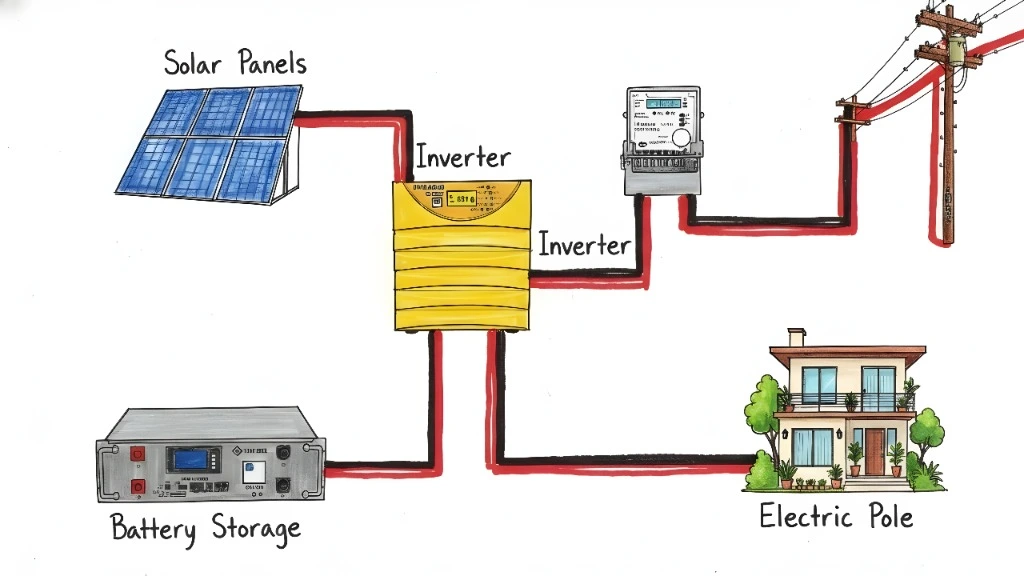
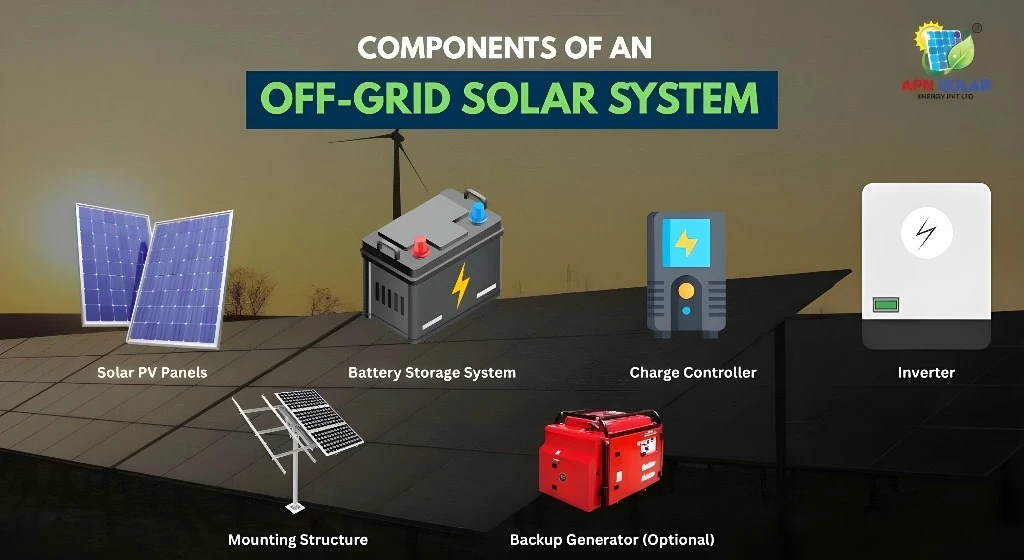
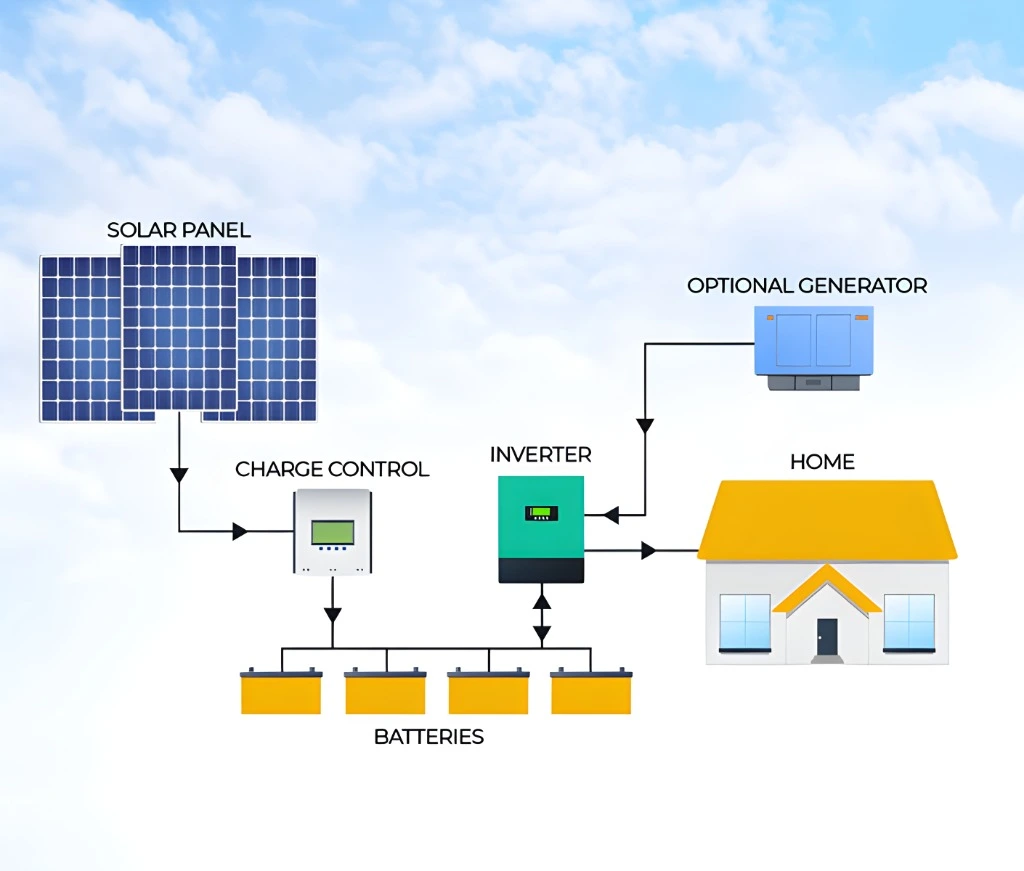
An Off-Grid Solar System captures solar energy through high-efficiency solar panels, stores excess electricity in batteries, and uses an inverter to convert the stored DC power into AC electricity for household appliances. This setup provides reliable power even in areas without access to the utility grid. When battery levels become low, a backup generator can be used to ensure uninterrupted energy supply. As more homeowners seek energy independence, understanding Solar Panel Prices in Pakistan is essential for estimating the total cost of installing an off-grid solar system and maximizing long-term savings.
What are the main components of an off-grid solar system
Key components include:
What are the benefits of off-grid solar systems
What are the disadvantages of off-grid solar systems
How long do off-grid solar systems last
Typically, solar panels last around 25-30 years, while batteries need to be replaced every 5-10 years, depending on the type and usage.
How do I determine the size of my off-grid solar system
The size depends on your energy consumption, the number of solar panels needed, and the battery capacity required to store enough energy for nighttime or cloudy weather. A solar professional can help you size your system accurately based on your needs.
How much does an off-grid solar system cost
The cost depends on factors like system size, battery storage, and installation complexity. The initial investment can range from PKR 200,000 to PKR 1,500,000 or more for a complete off-grid setup, but long-term savings on electricity bills can offset the costs over time.
Do I need a backup generator for an off-grid system
While not necessary, a backup generator can be a useful addition to an off-grid solar system to provide extra power during prolonged cloudy periods or when solar production is insufficient. It ensures that you never run out of power.
(FAQs)
Conclusion
Off-grid solar systems offer a sustainable and cost-effective solution for those looking for energy independence. They are perfect for remote areas, small communities, and self-sufficient homes. While they come with a higher initial cost and some limitations, the long-term benefits in terms of reliable power, environmental impact, and cost savings make them a great investment.