Solar System Vs Other Power Solutions in Pakistan 2026 Guide
Solar Panel Prices in Pakistan Choosing the right power solution for your home or business in Pakistan can be tricky. Should you go solar, stick with the grid, use a generator, or get a UPS/battery system? Let’s break it down in simple, friendly language so you can make a smart choice.
Why Power Solutions Matter
Pakistan often faces electricity shortages, load shedding, and rising energy bills. The solution you pick impacts:
Solar System Vs Generator
Solar System Vs Grid Electricity
Tip: A hybrid setup — solar + grid — gives the best reliability and savings.
Solar System Vs UPS/Inverter
Tip: Use UPS for critical appliances and small devices; use solar for full home or business cover.
| Factor | Solar System | Generators | Grid Electricity | UPS/Inverter |
| Upfront Cost | High | Low | Very Low | Medium |
| Running Cost | Very Low | High (fuel) | Medium | Low–Medium (battery) |
| Reliability | Medium–High (with batteries) | High | Medium | Low–Medium |
| Environmental Impact | Excellent | Poor | Medium | Good–Medium |
| Long-Term Savings | High | Low | Medium | Medium |
Bottom Line: Solar systems are the best long-term solution for sustainable, reliable, and cost-saving electricity in Pakistan, especially when combined with batteries or grid backup. Generators and UPS are useful for short-term backup or critical appliances.
The Helpful Solar Guide for Pakistan — 2026 Edition
Thinking about going solar in Pakistan? You’re not alone. With rising electricity bills, frequent load shedding, and increasing environmental awareness, many homeowners and businesses are switching to solar energy. This guide explains everything you need to know — in simple, friendly language — so you can make a smart choice.
Why Solar Energy Matters in Pakistan
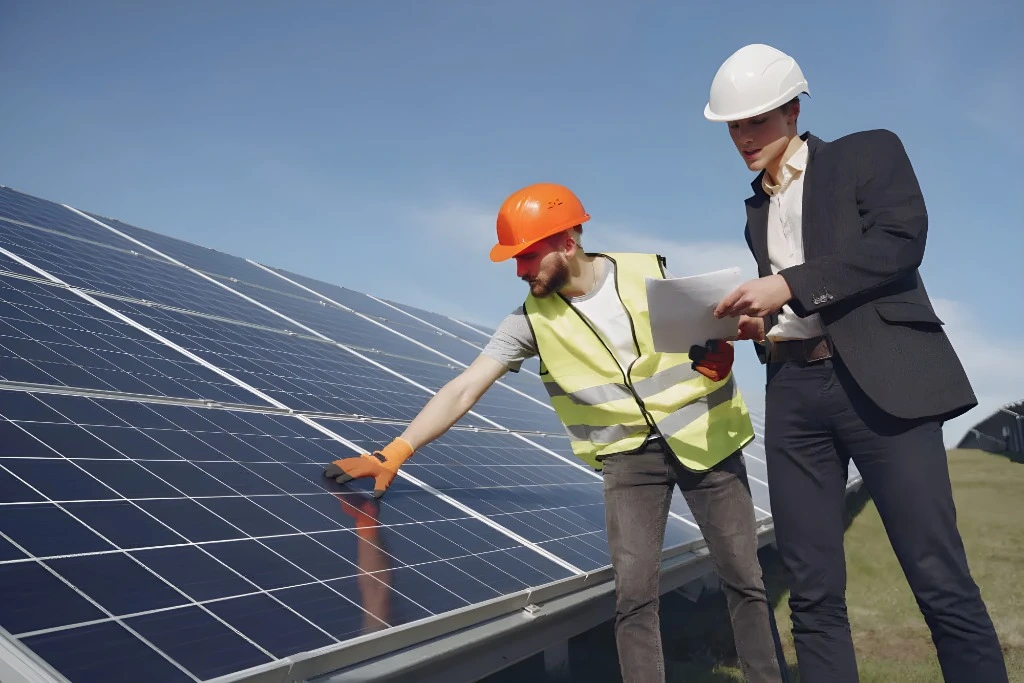
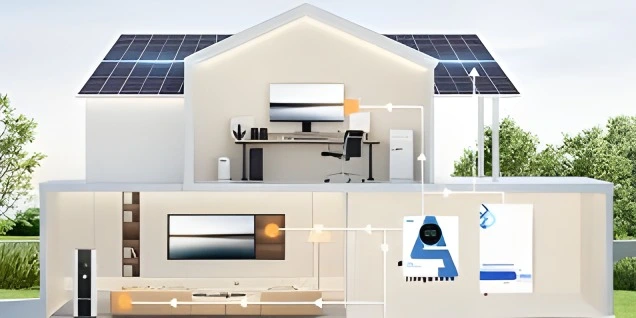
A solar system converts sunlight into electricity. Here’s a simple breakdown:
A grid-tied solar system can also send extra power back to the electricity grid, reducing your monthly bill through net metering.
Hybrid Solar Systems
Combine grid connection with batteries.
Most flexible, providing backup during outages and net metering benefits.
Grid-Tied Solar Systems
Connect directly to the national grid.
Use solar during the day; draw from the grid when sunlight is insufficient.
Save money via net metering.
Off-Grid Solar Systems
Work independently from the grid.
Ideal for areas with unreliable electricity or remote locations.
Require batteries to store energy for night use.
Grid-Tied Solar Systems
Connect directly to the national grid.
Use solar during the day; draw from the grid when sunlight is insufficient.
Save money via net metering.
Solar System Costs in Pakistan (2026)
Solar panel prices and total system costs vary depending on size, brand, and technology:
| Component / System | Typical Price (PKR) |
| 540–600 W Solar Panel | ₨15,500 – ₨25,000 per panel |
| 3 kW Full System | ₨550,000 – ₨750,000 |
| 5 kW Full System | ₨850,000 – ₨1,200,000 |
| 10 kW Full System | ₨1,600,000 – ₨2,200,000 |
Tip: Higher watt panels cost more upfront but reduce the number of panels
Advanced Energy Solution for Pakistan Solar Power
Pakistan’s energy landscape is changing fast. Rising electricity prices, frequent power outages, and cleaner tech have pushed residents, businesses, and even industries toward solar power. Solar has moved beyond simple panel installations — now there are advanced solutions that make solar smarter, more reliable, and cost‑effective for everyday use. This guide breaks it all down in simple language you can understand.
Why Pakistan Needs Advanced Solar Solutions
Pakistan has been rapidly adopting solar energy, especially rooftop systems for homes and businesses. Solar power now makes a significant part of the national energy mix, with rooftop systems installed nationwide and utility‑scale projects feeding into the grid. This shift helps reduce dependence on expensive fossil fuels, saves on fuel imports, and provides cleaner electricity.
While traditional solar panels were a good first step, new challenges like grid integration, storage needs, and maximizing efficiency have led to advanced solar power solutions that go beyond basic setups.
Advanced energy solutions take solar beyond just panels and inverters. They include:
Solar‑Plus‑Battery Systems
These combine panels with energy storage so you can use solar power even at night or during outages. Batteries help smooth out fluctuations and give you more control over your electricity.
Smart Monitoring & Control
Modern solar setups allow homeowners and businesses to track energy production and usage in real time. Smart apps and dashboards show how much power you’re generating, storing, and consuming — helping you optimize your system.
Hybrid Solar Systems
Hybrid systems blend solar with grid connection and batteries to provide reliable power around the clock. They can automatically switch between sources based on what’s cheapest or most efficient at any moment.
Solar‑Generator Integration
For locations with unreliable grid power, systems that combine solar with diesel or gas generators help ensure uptime while reducing fuel costs over the long term.
Advanced Solar Tech Trends in Pakistan
Data‑Driven Energy Monitoring
Solar systems now use smart monitoring tools that help you track performance over time, detect issues early, and maximize energy output.
Energy Storage Solutions
Battery systems are now a key part of solar, allowing users to store excess power during the day for use at night or during outages. As battery technology improves, storage is becoming more affordable and efficient.
Net Metering & Grid Integration
Net metering programs let you sell excess solar power back to the grid. Although some policies are currently evolving, exporting power can still bring financial benefits for many users.
High‑Efficiency PV Panels
Newer panel technologies produce more power per square meter, which is especially useful where roof space is limited. These panels deliver higher output even in partial shade or low‑light conditions.
Benefits of Advanced Solar Solutions
Better Backup Power
Advanced systems with batteries give you electricity even when the sun is down or the grid is down.
Lower Long‑Term Costs
Although advanced systems cost more upfront, they save money over years of reduced bills and fuel costs.
Transparent Performance
Smart monitoring puts real‑time data at your fingertips, helping you understand and control your energy use.
Scalability
Whether you’re powering a small home, a large business, or an industrial facility, advanced solutions can be tailored to your needs
Even with advanced solar solutions, Pakistan faces some hurdles:
Despite these challenges, the trend toward advanced solar systems continues to grow because of their long‑term value and environmental benefits.
(FAQs)
conclusion
As energy costs continue to rise in Pakistan, choosing the right power solution has become more important than ever. While generators, UPS systems, and traditional grid electricity still play a role in meeting energy needs, solar power offers unmatched long-term benefits in terms of cost savings, reliability, and environmental sustainability. By comparing a solar system with other power solutions, it becomes clear that solar energy is the most practical investment for homeowners and businesses looking to reduce electricity bills and gain energy independence. As technology advances and solar panel prices in Pakistan become more competitive, 2026 is an excellent time to make the switch and secure a cleaner, more affordable energy future.