Pakistan Solar Energy is Perfect guide of Solar Panel Price
Solar Panel Prices in PakistanSolar energy in Pakistan has emerged as a key solution for managing rising electricity costs across residential, commercial, industrial, and agricultural sectors. Beyond the cost of panels, consumers now evaluate complete solar solutions including system quality, hybrid inverters, lithium battery storage, net metering benefits, installation standards, and after-sales service. Investing in solar power is no longer just about panels; it’s about adopting a comprehensive, sustainable energy ecosystem that delivers long-term reliability, cost savings, and environmental benefits.

Selecting the Right Solar Company
When choosing a solar provider, it’s essential to consider energy efficiency, long-term savings, and reliable customer support. As highlighted in “A Perfect Guide of Solar Panel Prices,” reputable companies such as Pakistan Solar Traders, Premier Energy, MaxGreen Energy, Future Tech Smart Solutions, Feroze Power Limited, and Alpha Solar offer tailored solutions to meet diverse energy needs. Their services include high-quality components, customized system designs to address load-shedding challenges, precision installation, and guidance on regulatory compliance, helping homeowners and businesses make informed decisions about solar investments.
5kW to 12kW Solar Systems: Residential and Small Business Solutions
When choosing a solar provider, it’s essential to consider energy efficiency, long-term savings, and reliable customer support. As highlighted in “A Perfect Guide of Solar Panel Prices,” reputable companies such as Pakistan Solar Traders, Premier Energy, MaxGreen Energy, Future Tech Smart Solutions, Feroze Power Limited, and Alpha Solar offer tailored solutions to meet diverse energy needs. Their services include high-quality components, customized system designs to address load-shedding challenges, precision installation, and guidance on regulatory compliance, helping homeowners and businesses make informed decisions about solar investments.
15kW to 20kW Systems: High-Output Residential and Medium Business Applications
For energy-intensive homes and medium-sized offices, 15kW and 20kW solar systems provide reliable power generation, producing up to 2,000 units monthly. Prices range from PKR 1.75 million to 2.85 million, offering long-term cost reductions, low maintenance, and increased property value. Advanced monitoring, SCADA integration, and hybrid setups improve energy efficiency and operational resilience.
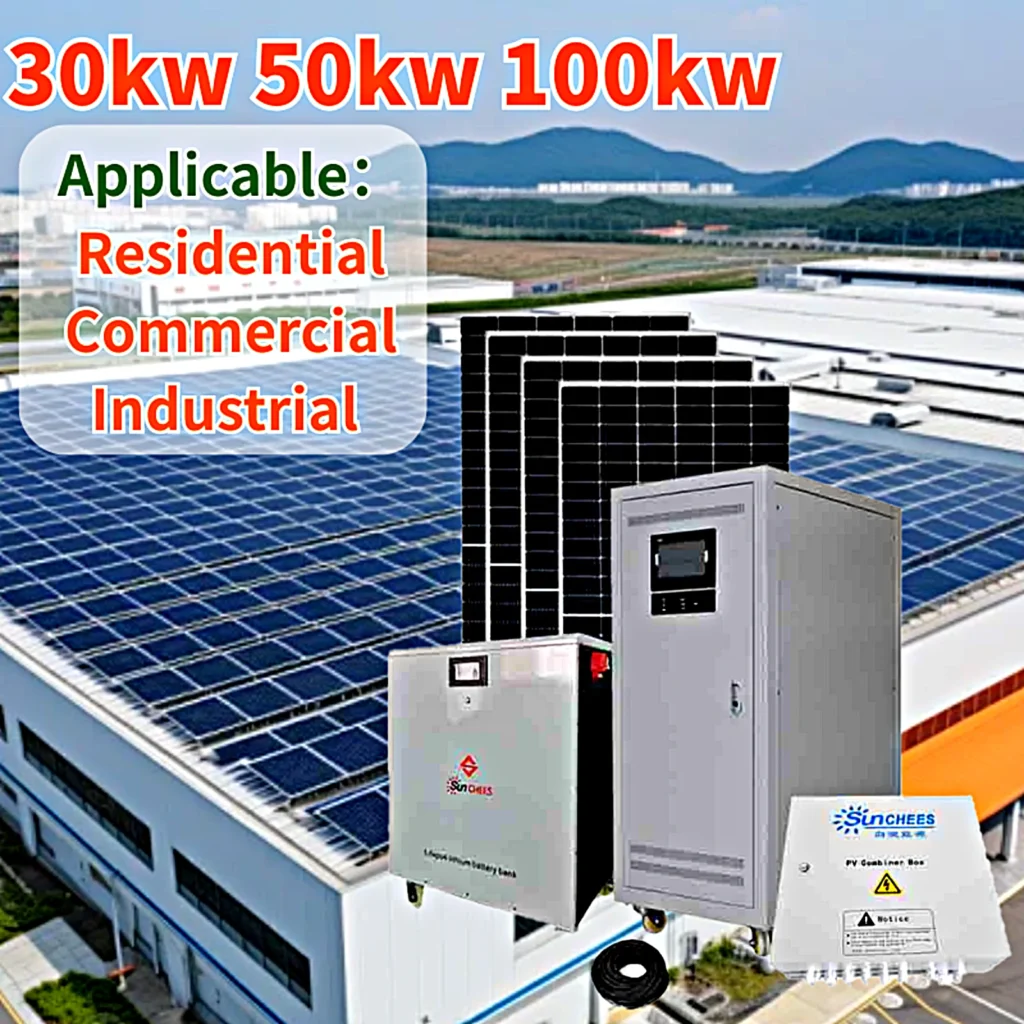
50kW to 100kW Solar Systems: Industrial and Large Commercial Use
50kW and 100kW systems cater to factories, warehouses, and large commercial facilities. A 50kW system produces approximately 7,000 units monthly, while a 100kW system generates 400–450 kWh daily. Costs range from PKR 5.8 million to 11 million depending on system type, panel quality, and installation complexity. These systems incorporate Tier-1 panels, industrial-grade inverters, optional battery banks, and professional monitoring. Payback periods are 4–5 years, ensuring substantial energy savings and operational independence.
150kW to 300kW Solar Systems: Advanced Commercial Installations
Large-scale industrial and institutional energy needs are met with 150kW, 200kW, 250kW, and 300kW solar systems. These installations offer substantial energy production, from 150kW systems generating enough electricity for factories to 300kW systems powering educational campuses and commercial complexes. Costs range from PKR 10.38 million to 29.4 million. Integration with SCADA monitoring, premium panels, hybrid inverters, and optional energy storage ensures high efficiency, reliability, and ROI within 4–6 years.
800kW Solar Systems: Mega Industrial Solutions
For large-scale industrial operations, an 800kW solar system can generate 3,600–4,400 kWh per day, covering up to 85% of energy requirements. Prices range from PKR 68–95 million, including Tier-1 industrial panels, hybrid inverters, robust mounting, SCADA monitoring, and optional batteries. Monthly electricity savings can reach PKR 3.5–4.2 million, with payback periods of 4–6 years. These systems reduce carbon emissions, enhance operational efficiency, and provide substantial environmental and financial benefits.
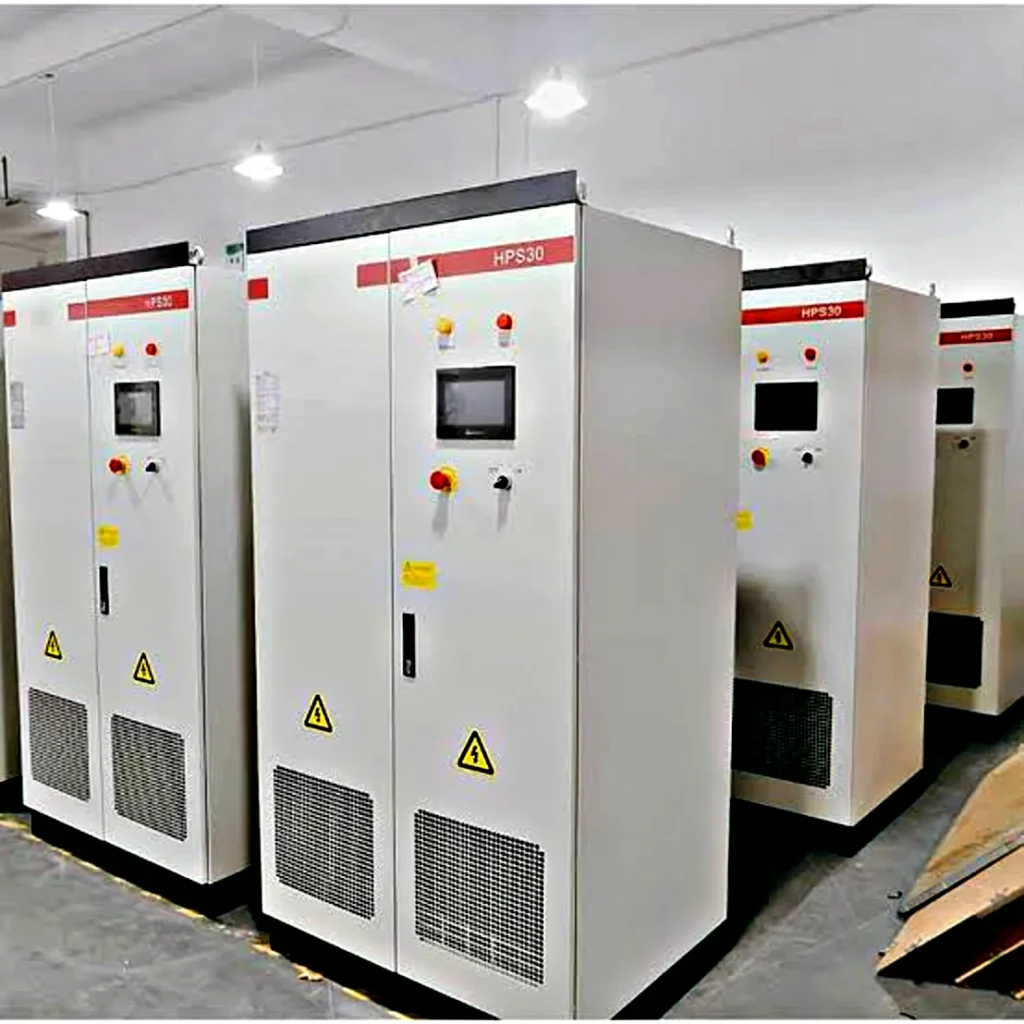
Battery Energy Storage Systems (BESS) and Operational Efficiency
BESS integration is critical for energy security, enabling storage of excess solar power for peak demand or outages. Falling lithium battery costs and advanced storage technologies make BESS practical for businesses, ensuring uninterrupted operations and optimized energy usage. Industrial and commercial systems benefit from improved load management, reduced peak demand charges, and higher ROI.
Financing, Net Metering, and Government Incentives
Government policies, NEPRA’s net metering and net billing frameworks, and financial schemes from banks like HBL, Meezan, and Bank Alfalah support solar adoption. Duty exemptions, soft loans, and tax incentives lower upfront costs, while net metering allows surplus energy to reduce bills and generate revenue. Professional EPC providers like Gravity Engineering Solutions provide turnkey installation, regulatory compliance, and monitoring support.
Rural and Off-Grid Solar Solutions
Solar water pumps, ranging from 0.5 hp to 20 hp with high-efficiency PV modules and VFD inverters, provide reliable water supply for agriculture and remote communities. Portable solar panels with Li-ion batteries, USB ports, and plug-and-play functionality enable off-grid energy access for homes and small businesses. These innovations support entrepreneurship, reduce reliance on grid electricity, and enhance energy independence.
Micro-Grids and Community Solar Solutions
Solar micro-grids offer localized electricity distribution, integrating solar, wind, and biogas to provide sustainable power to off-grid areas. These systems reduce dependence on traditional grids, lower operational costs, and ensure reliable energy for communities and businesses. Shared community solar projects allow multiple households to access renewable energy without individual rooftop installations.
Operations, Maintenance, and Long-Term Sustainability
Effective O&M practices, including real-time monitoring, periodic inspections, and preventive maintenance, ensure maximum solar system efficiency. Regular cleaning, inverter checks, and SCADA monitoring extend system lifespan beyond 25 years for panels and 8–10 years for lithium batteries. Combining high-quality PV modules, energy storage, and professional maintenance ensures reliable energy supply, cost savings, and environmental stewardship.
Solar Energy as a Strategic Investment in Pakistan
From residential 5kW systems to industrial 800kW installations, solar energy in Pakistan provides unmatched benefits: cost reduction, energy independence, environmental sustainability, and increased property value. With certified installers, Tier-1 equipment, government incentives, and financing solutions, solar adoption represents a scalable, future-ready investment. Embracing solar technology empowers homeowners, businesses, and industries to combat rising electricity tariffs, secure reliable power, and contribute to a cleaner, sustainable energy future.
Complete Guide to Solar Panel Price in Pakistan (2026): Market Trends, Costs, and Smart Buying Strategies
Solar energy adoption in Pakistan has reached a critical turning point as homeowners, businesses, and industries seek dependable, cost-effective alternatives to expensive and unreliable grid power. With rising electricity tariffs, recurrent load shedding, and currency fluctuations impacting import costs, solar panel price in Pakistan has become one of the most important topics for anyone considering a smart energy investment in 2026. This in-depth guide combines real market data, pricing trends, brand comparisons, system costs, and practical tips to help you understand how much solar panels cost in Pakistan, what factors affect these prices, why investing in solar still makes sense, and how to maximize savings over the long term.
Solar Panel Price in Pakistan 2026: Current Market Rates
Unlike a decade ago, solar panel price in Pakistan today (2026) is influenced by global raw material costs, import duties, technology improvements, and local market supply dynamics.
Average Price Per Watt (2026 Market)
The largest brands and recent trading prices suggest the following range for photovoltaic modules sold locally:
These per-watt prices reflect real-time trends observed in March 2026, demonstrating how technology and demand influence pricing.
Example Panel Prices (Per Panel)
| Brand & Model | Wattage | Approx. Price (PKR) | Price per Watt |
| Jinko 585 W N-Type Bifacial | 585 W | ~19,700 | ~34 Rs/W |
| Longi Hi-MO X10 645 W | 645 W | ~23,680 | ~37 Rs/W |
| Canadian TopCon 600 W | 600 W | ~21,000 | ~35 Rs/W |
| JA Solar Bifacial 610 W | 610 W | ~18,300 | ~30 Rs/W |
| Inverex 375 W | 375 W | ~14,250 | ~38 Rs/W |
| SunPower Maxeon 400 W | 400 W | ~30,000 | ~75–84 Rs/W |
Premium and high-efficiency panels cost almost double per watt compared to mainstream Tier-1 modules due to superior cell technology, durability, and performance.
Why Solar Panel Prices Have Shifted in 2026
Solar panel price in Pakistan didn’t increase overnight — several key market forces are driving current costs:
Rising Raw Material Costs: Silver, copper, and polysilicon prices have increased globally, directly influencing panel manufacturing costs.
Technology Upgrades: Newer technologies like N-Type TopCon and HPBC modules offer higher efficiency and longer lifespans, which carries a premium price.
Quality Standards & Import Policies: Pakistan has strengthened quality control for imported modules, reducing low-grade panel influx. While this ensures long-term reliability, it stabilizes the baseline price higher.
Factors That Determine Solar Panel Prices in Pakistan
Pricing is affected by multiple factors beyond the panel itself. For any solar investment, these elements play a critical role:
Panel Technology: Monocrystalline panels, especially bifacial N-Type, deliver more power per square foot and perform better in low-light conditions compared to polycrystalline panels.
System Size: Bulk purchases reduce per-watt cost due to economies of scale. Larger commercial systems often have lower per-watt prices than small residential setups.
Installation & Accessories: Mounting structures, inverter technology, cabling, and labor significantly impact total cost.
Net Metering & Regulatory Fees: Application charges and meter fees for grid-connected systems contribute to overall
How Solar Panel Prices Translate to System Cost
When planning a solar installation, consider the total system cost (panels + installation + other hardware). Here’s a practical breakdown:
5kW Solar System (Residential)
10kW Solar System (Larger Homes / Small Business)
20kW Solar System (Commercial / Multi-Use)
It is important to note that panels often account for 40–50% of total project costs, while inverters, mounting structures, and professional installation make up the remainder.
Return on Investment (ROI) and Payback Periods
Despite fluctuations in solar panel price, solar systems provide excellent ROI:
Regional Variations in Solar Panel Prices
Solar panel prices vary by city due to logistics, dealer availability, labor costs, and demand:
Price differences can range from 5–15% depending on installation complexity and location.
Choosing the Right Solar Panels for Your Needs
Selecting a solar panel requires balancing efficiency, cost, and long-term value:
Premium Tier-1 brands with strong warranties and proven performance are highly recommended for long-term reliability.
Solar System Sizes and Costs
5kW–12kW Systems: Residential & Small Businesses
5kW hybrid systems cost PKR 500,000–600,000 and are suitable for medium homes. They combine grid-tied net metering with lithium battery storage for backup.
10kW–12kW systems support larger households or small businesses. ROI typically occurs within 4–6 years, with lifetime savings exceeding PKR 10 million.
15kW–20kW Systems: Medium Commercial Use
15kW systems produce 1,800–2,000 units monthly, reducing electricity bills by 80–90%. Costs range from PKR 1.75 million–2.85 million.
20kW systems support medium offices or educational institutions, costing PKR 1.8–2.2 million, delivering long-term savings and sustainability.
50kW–100kW Systems: Industrial Applications
50kW–100kW systems cater to factories, warehouses, and commercial units. 50kW generates ~7,000 units/month (~PKR 5.8–7.5 million), 100kW produces 400–450 kWh/day (~PKR 7.8–11 million). ROI is typically 4–5 years, ensuring long-term operational efficiency.
800kW Systems: Mega Industrial Power Solutions
800kW systems generate 3,600–4,400 kWh/day, covering up to 85% of industrial energy needs. Prices range PKR 68–95 million, with monthly savings exceeding PKR 3.5–4.2 million and payback in 4–6 years. Benefits include CO₂ reduction, net metering credits, enhanced asset value, and operational efficiency.
Battery Storage and BESS Integration
Battery Energy Storage Systems (BESS) are critical to modern solar solutions:
For commercial and industrial users, integrating BESS ensures scalable energy infrastructure and energy cost predictability.
Financing, Net Metering, and Government Incentives
Government policies, net metering/net billing regulations, and financing options make solar affordable:
Certified EPCs provide turnkey solutions and consultation for hassle-free solar deployment.
Maintenance and Longevity
Solar systems require minimal maintenance:
Panels last 25–30 years; lithium batteries last 8–10 years, ensuring decades of reliable, low-maintenance energy.
FAQs
conclusion
Investing in solar energy in Pakistan, whether a small 5kW system or an industrial 800kW installation, delivers unmatched benefits:
Lower electricity costs
Energy independence
Environmental sustainability
Increased property value
Strong financial returns
Certified installers, Tier-1 equipment, government incentives, and flexible financing make solar solutions a smart, scalable, and future-ready energy investment. By transitioning to solar, Pakistanis not only protect themselves against rising tariffs but also contribute to a sustainable energy-secure future.